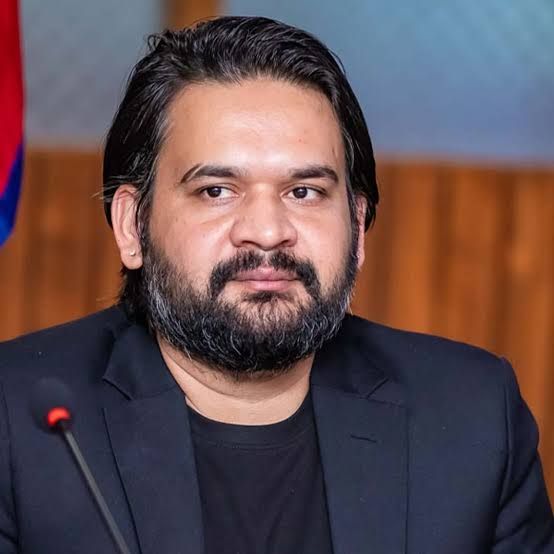
The rise of the Rastriya Swatantra Party (RSP) and the growing expectation that Balen Shah could emerge as Nepal’s next Prime Minister reflect a deep public frustration with the old political order. For many citizens, this moment represents not only a rejection of traditional parties but also a hope that a new political culture might finally emerge.
Balen Shah embodies that hope for many young voters. He is young, energetic, and appears pragmatic rather than ideological. But if he rises to national leadership, the expectations placed upon him will be immense.
His first and most urgent responsibility must be to establish a clear message: corruption will not be tolerated under any circumstances. Nepal’s citizens have heard promises of reform for decades, yet corruption has remained deeply embedded in political culture. If Balen wishes to represent a genuine break from the past, he must demonstrate—through action, not rhetoric—that accountability applies to everyone, including his own allies.
Equally important will be the depoliticization of state institutions. Governance, health services, education, and the bureaucracy must function as professional public institutions rather than extensions of party machinery. For decades, political parties have captured these sectors, turning them into instruments of patronage and control. Restoring institutional integrity will be one of the greatest tests of any reformist government.
At the same time, controversy already surrounds the new political moment. Allegations have circulated in public discourse that the “Gen Z revolt” may have been influenced or infiltrated by individuals linked to Balen’s political network. Whether these claims are credible or not, the only way to address public suspicion is through transparency.
The findings of the Gauri Bahadur Karki Report, which investigated incidents of violence, arson, and killings of the young protesters across the country, must therefore be released immediately. Any individuals responsible for criminal acts should be prosecuted impartially and transparently, regardless of their political affiliation. Justice must be seen to be done if public trust is to be rebuilt.
At the same time, Balen Shah has also faced accusations from some political commentators that his rise may have received encouragement or quiet support from American interests. Whether such claims are politically motivated or grounded in reality, they contribute to the atmosphere of suspicion that often surrounds new political movements in Nepal. The best response to such allegations is transparency and a clearly independent national policy.
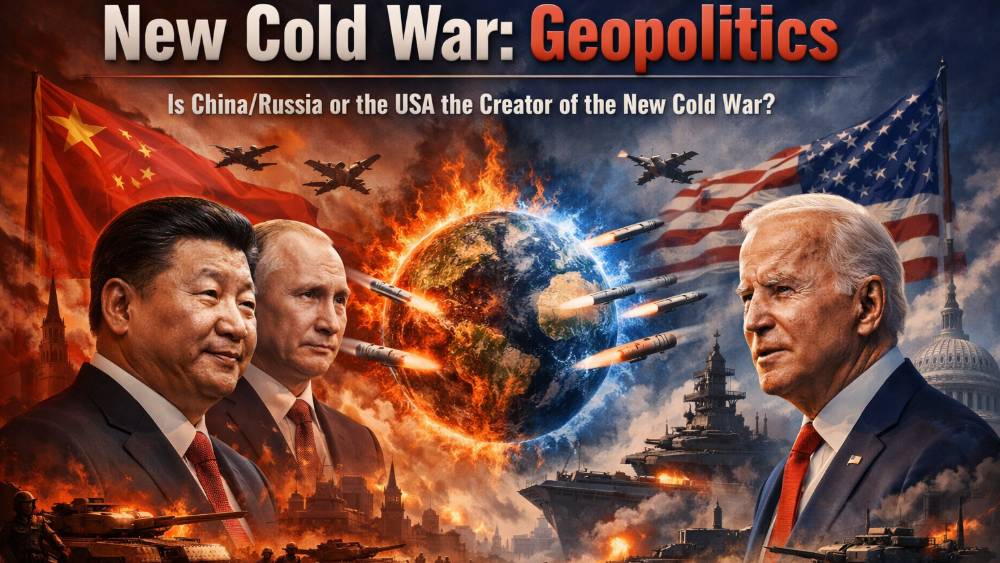
Beyond domestic politics, Balen Shah would also face a complex geopolitical environment. Nepal sits between powerful global and regional interests, and any new leadership must navigate these pressures carefully. Balen will need to demonstrate that he is not a proxy for any external power—Western or otherwise. Nepal’s foreign policy must remain independent, balanced, and firmly guided by national interests.
Interestingly, Balen Shah does not appear strongly tied to any rigid political ideology. In Nepal’s deeply polarized political landscape, this may actually be a strength. Rather than being trapped in ideological battles between old political camps, he may have the opportunity to focus on the everyday problems citizens face: unemployment, corruption, governance failures, and stalled development.
But hope alone cannot change a country. Leadership is ultimately measured by difficult decisions and consistent principles.
If Balen Shah can institutionalize accountability, restore professionalism in governance, ensure transparency in moments of controversy, and maintain an independent foreign policy, Nepal could indeed be entering the beginning of a new political chapter. If not, the cycle of disappointment that has defined Nepali politics for decades may simply repeat itself.
Copyright © All right reserved to pahichan.com Site By: Sobij.
