
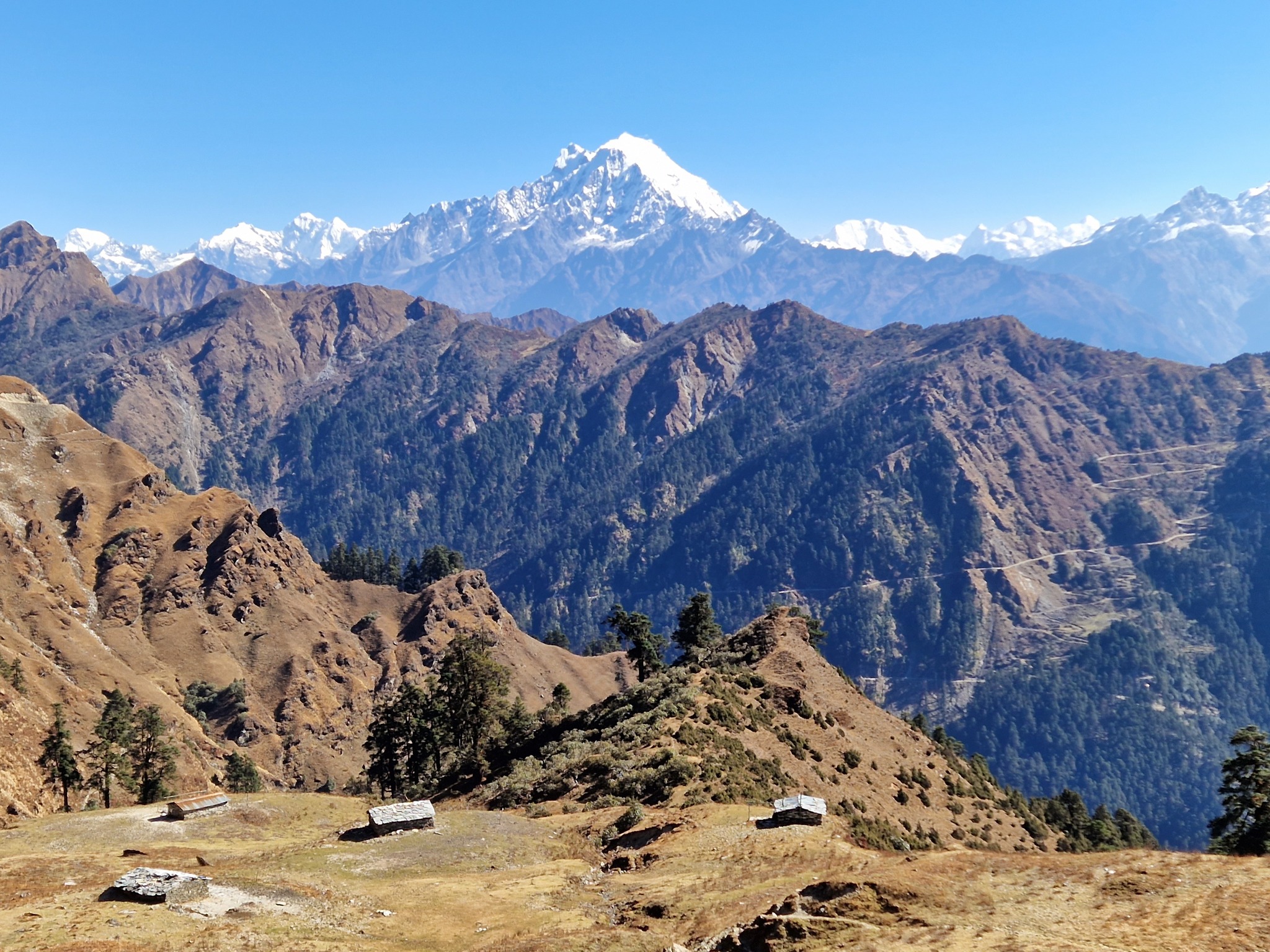
In recent years, Nepal has been battered by climate disasters—floods in the Terai, landslides in the hills, and glacial lake outbursts in the Himalayas. Yet as the climate emergency deepens, another quieter but equally devastating crisis looms: debt.
Today, more than 60% of low-income countries are either in or at high risk of debt distress, according to the World Bank. Nepal is among them. Our external debt continues to grow, and so does the burden on the Nepali public. Each year, we spend billions of rupees servicing loans—money that could otherwise go to building flood barriers, improving healthcare, strengthening education, and making our economy more resilient. Instead of investing in the future, we are stuck paying for the past.
But it’s not just the amount of debt that’s problematic—it’s the architecture of the global financial system itself. It favors creditors over people. It safeguards capital, not communities. It ignores historical injustices and present-day realities.
Debt Fuels Climate and Social Injustice
Nepal contributes less than 0.1% of global greenhouse gas emissions, yet we rank among the world’s most climate-vulnerable nations. That is the definition of climate injustice. Rich countries polluted the planet, but it’s countries like ours that face the floods, droughts, and food insecurity.
And to make things worse, we are asked to borrow—often at commercial rates—to pay for climate adaptation and recovery. In many cases, even climate finance is coming as loans, not grants. This deepens the debt trap, making it harder for us to escape poverty, especially for our most marginalized groups.
Among these, Gender and Sexual Minorities (GSM) are particularly vulnerable. When disasters strike, GSM individuals face discrimination in shelters, are excluded from aid programs, and are rarely included in national adaptation plans. Yet when the government collects tax to service debt, GSM people are automatically included as part of the public—despite being systematically left behind in all other sectors.
Corruption, Creditor Complicity, and Illegitimate Debt
An uncomfortable truth must also be said: much of the aid and loans that Nepal received over the years have been misused or siphoned off by corrupt regimes and leaders. Grand projects inflated budgets, lined pockets, and left very little tangible impact on the lives of ordinary Nepalis. But creditors rarely seem to care. They continue to issue loans, knowing full well that the money may not reach those who need it most. The burden of repayment, however, always falls on the public.
This is unjust. Nepal should not be forced to repay loans that enriched a few and impoverished the many. Such debts are illegitimate and should be challenged. We call for an immediate audit of all public debt to identify which loans genuinely served the people, and which only served the elite.
Nepal must have the courage to say: we will not repay what we did not receive.
A New Debt Framework Rooted in Justice
It is time to build a new debt system—one that serves people and the planet. That includes:
1. Automatic debt suspension when countries are hit by climate disasters or pandemics.
2. Debt-for-climate and debt-for-development swaps, where repayment is redirected into resilience, renewable energy, and public services.
3. An independent, multilateral debt resolution mechanism, free from creditor domination.
4. Recognition of “climate debt” owed by high-emitting countries to nations like Nepal, to be paid not with strings attached, but through unconditional grants, technology transfers, and reparations.
Nepal Must Lead
Nepal must take a bold stance in global forums like the UN, the Climate Vulnerable Forum, and the G77. We must speak clearly: no development is possible without debt justice. And we must ensure that vulnerable communities—especially GSM, Dalits, indigenous peoples, and rural women—are prioritized in climate action and financing.
Let us stop being passive borrowers and start being active claimants of justice.
From Debt Chains to Resilient Futures
Reforming global debt rules is not just an economic issue—it is a matter of justice, survival, and dignity. Nepal and other Global South nations should not be crushed under the weight of loans that never helped us, nor be punished for crises we didn’t cause.
We demand the freedom to invest in our people—not in endless repayments. We demand the right to build resilience—not just repay broken promises. And above all, we demand a world where no one is left behind—especially not the most marginalized among us.
Let us choose justice over debt. Let us invest in life, not in liability.



Copyright © All right reserved to pahichan.com Site By: Sobij.
