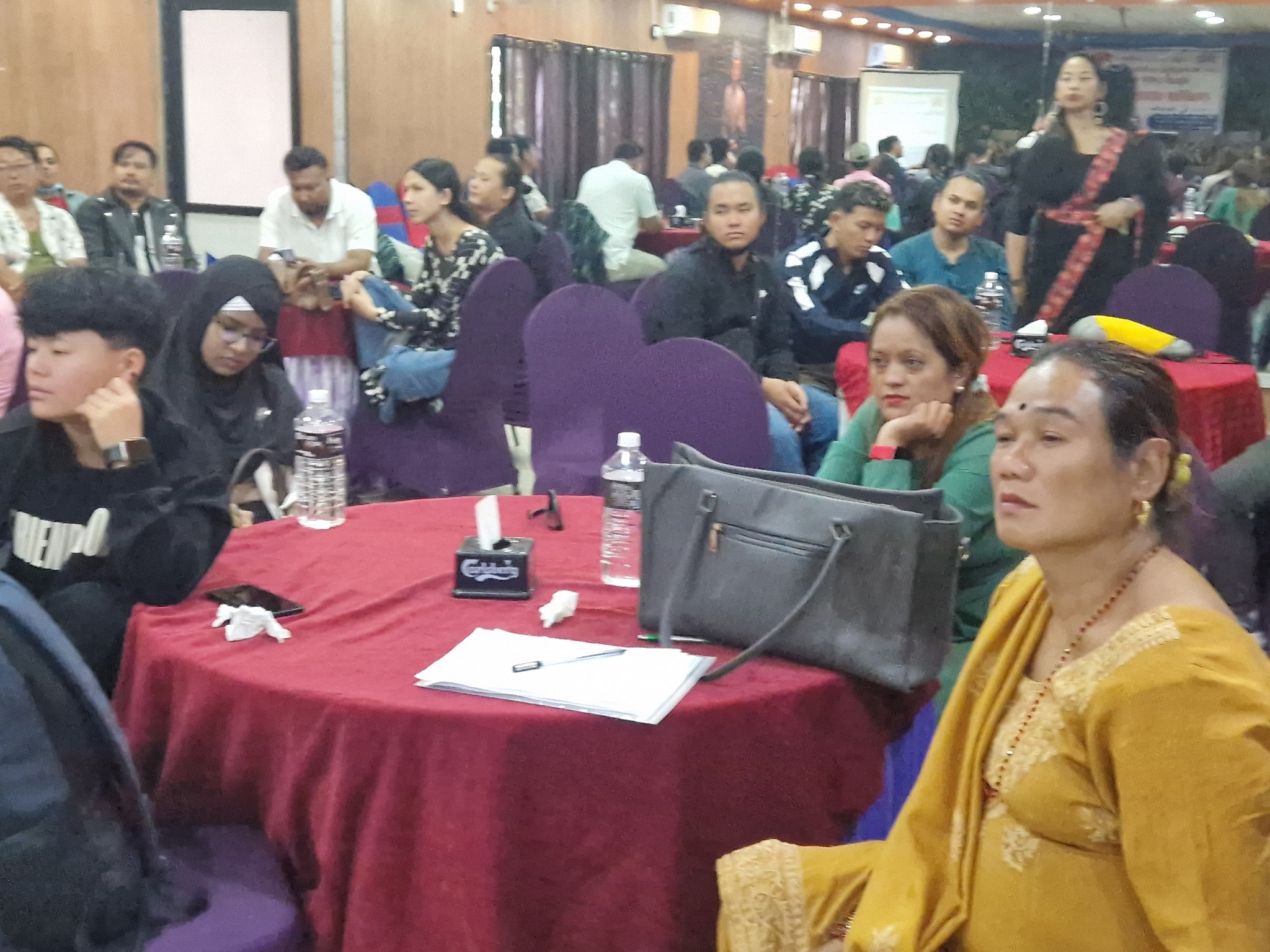
Kathmandu – The Gender and Sexual Minority (LGBTIQ+) community of Nepal has intensified preparations for the upcoming national election scheduled for 21 Falgun 2082 (March 5, 2026). Community members across the country are mobilizing door-to-door campaigns to ensure voter registration and to encourage broader participation among youth and marginalized citizens.
Alongside voter registration drives, serious political and organizational discussions are taking place within the community concerning representation, engagement with political parties, and the future direction of the GenZ Movement — a youth-led citizens’ movement that recently transformed Nepal’s political landscape.
Voter Registration and GenZ Activism
With the Election Commission’s registration deadline approaching at the end of Kartik, LGBTIQ+ activists have launched a national campaign to reach unregistered eligible voters. Young people active in the GenZ movement are now channeling their collective energy toward electoral readiness.
However, within the community, two divergent paths have emerged: some members advocate for representation through existing political parties, while others are calling for the creation of a distinct political platform or party to represent gender and sexual minorities directly.
Representation in the GenZ Movement
Although the GenZ movement played a pivotal role in reshaping governance and accountability, many LGBTIQ+ members expressed disappointment that they have been excluded from the current government’s decision-making processes, despite their active participation in the movement.
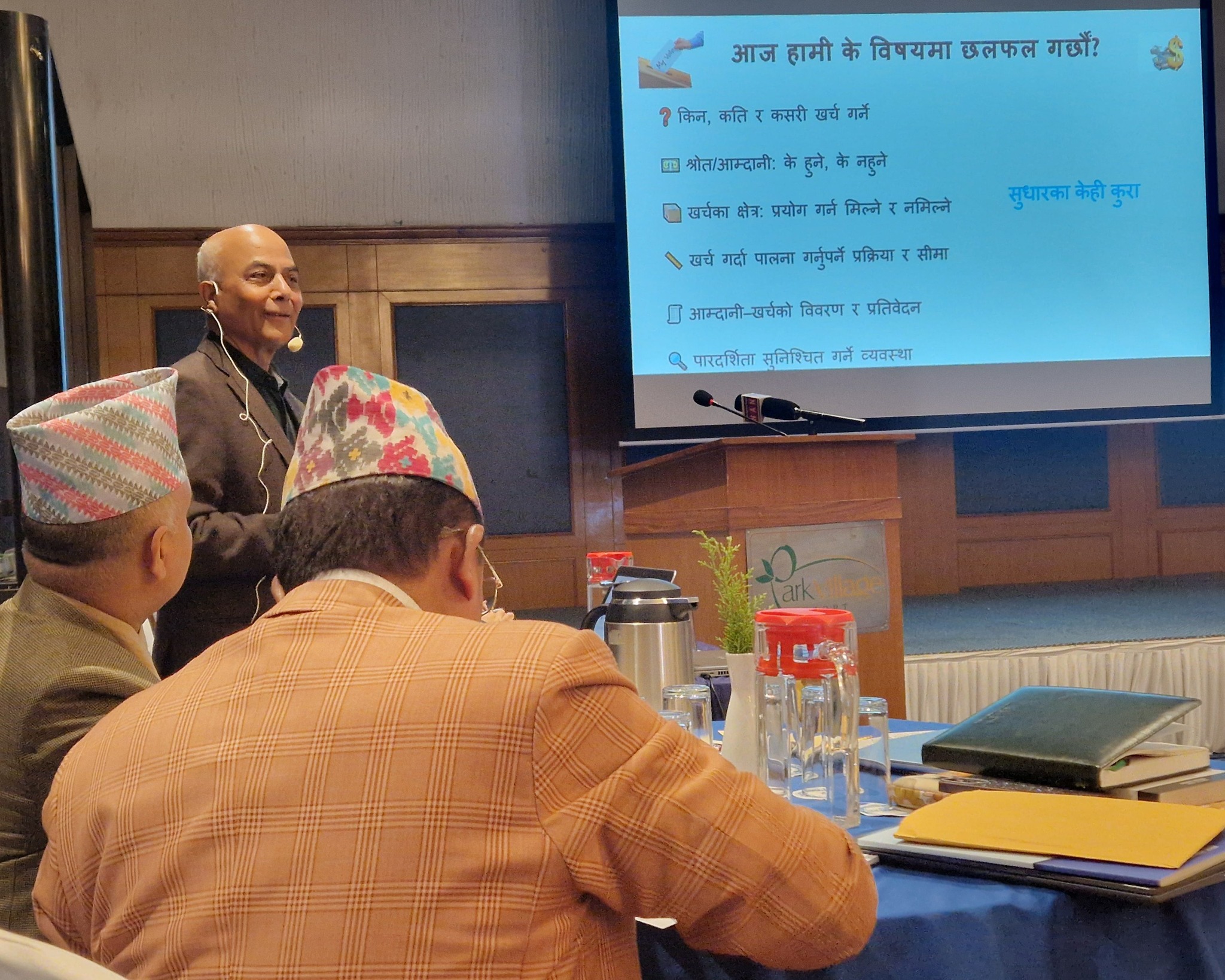
During a recent National Consultation on “Political Participation: Our Right”, jointly organized by MayaKo Pahichan Nepal, Lead Nepal, and Inclusive Forum with the support of GiveOut, participants stressed the importance of ensuring genuine representation of gender and sexual minorities in all political and policy structures.
Concerns About Election Feasibility
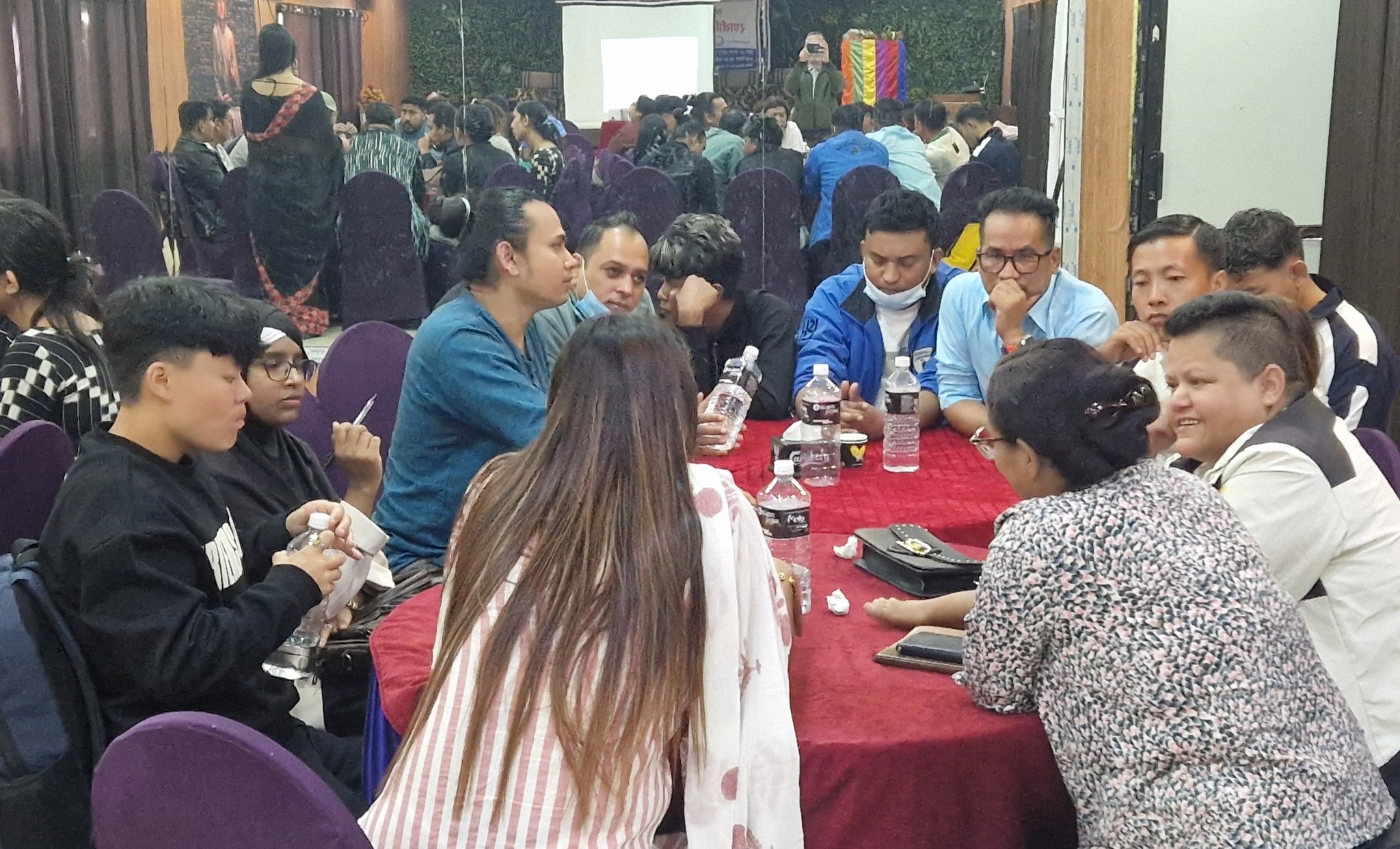
Former Constituent Assembly Member and Executive Director of MayaKo Pahichan Nepal, Sunil Babu Pant, observed that while the new government may be viewed positively, the timely completion of the election remains uncertain.
“The Cabinet is still incomplete, and there are multiple factions within the GenZ movement. It looks like chewing iron — extremely difficult to conduct the election as scheduled,” Pant remarked.
He further emphasized the need for a unified political structure representing all marginalized identities — Dalits, persons with disabilities, and gender and sexual minorities — to ensure that no community is left out of the nation’s decision-making process.
Foreign Aid, Corruption, and Accountability
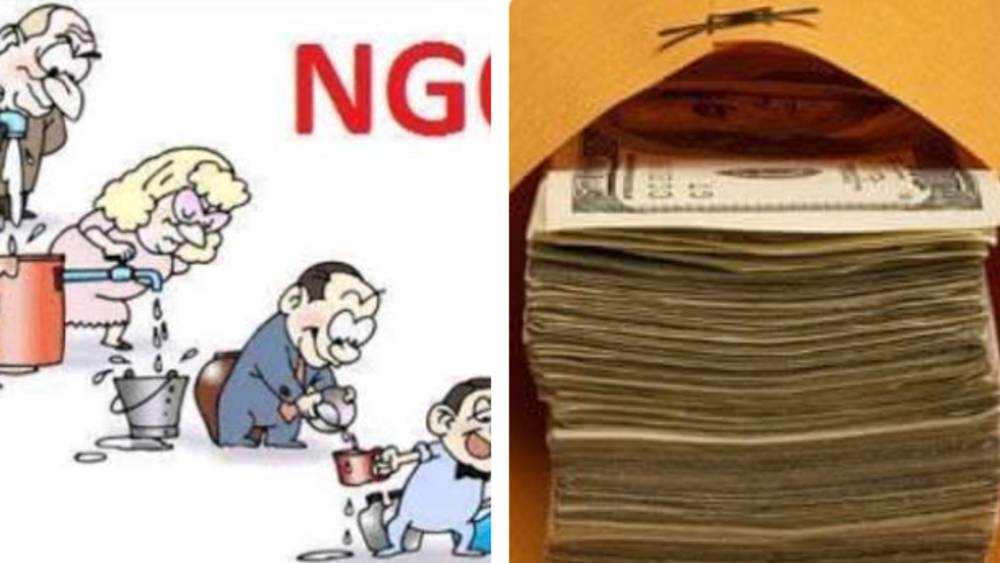
Participants criticized the corruption and centralization observed in large NGOs, which often overshadow smaller, community-based organizations. They urged both the government and donors not to generalize or stigmatize grassroots organizations because of the misconduct of a few.
Pant noted that foreign aid has become “a new extremism” in Nepal’s development discourse, stating: “If the state had supported marginalized communities adequately, they would not have been forced to depend on foreign funding.”
Participants highlighted that the GenZ movement emerged as a response to entrenched corruption, inequality, and systemic neglect — calling out the culture where “the people remain poor while the leaders grow rich.”
Technology and the Future of Democracy
Pant also stressed the need to make democracy technology-driven and people-centered, arguing that “power must lie in the hands of citizens, not above them.” He urged greater investment in artificial intelligence (AI) and digital tools to strengthen transparency and participatory democracy.
Voices from the Community
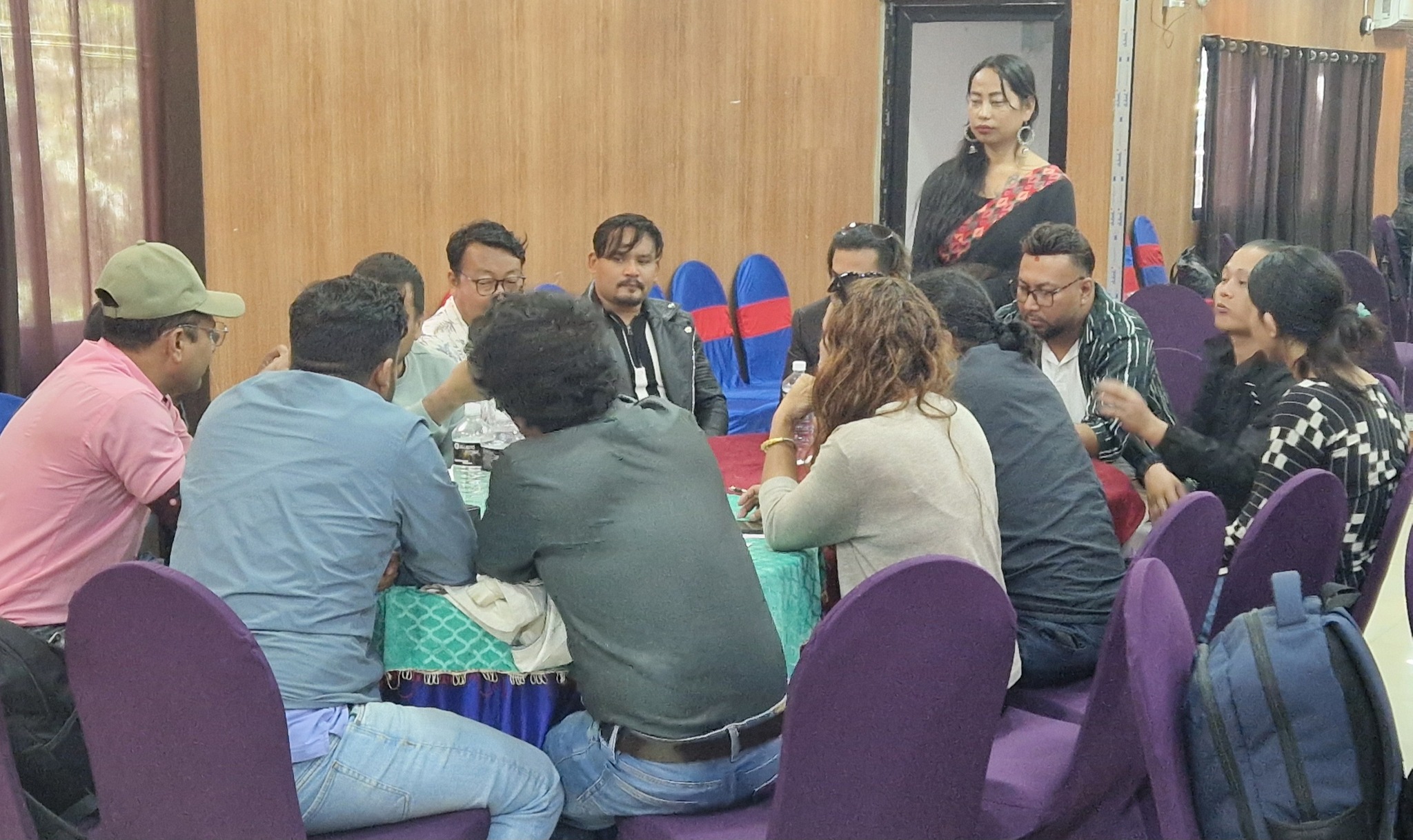
LGBTIQ+ activist Vivek Magar criticized the lack of direct representation of marginalized communities in the decision-making structures of the GenZ movement, emphasizing that true democratic practice must be selfless and inclusive.
Nepal’s first citizen to receive an “Other” passport, Monica Shahi, described the GenZ uprising as “one of the most powerful civic movements in Nepal’s history,” while stressing the need for enhanced political literacy and media representation within the LGBTIQ+ community. She also advocated for forming a dedicated political party for gender and sexual minorities.
Honey Maharjan, a transgender rights activist and former mayoral candidate for Kirtipur Municipality, noted that the community’s participation in politics remains low due to limited training and leadership development opportunities, and even the total number of active members nationwide remains uncertain.
A Critical Moment for Unity and Empowerment
Madhu KC, Vice President of MayaKo Pahichan Nepal, announced that a nationwide awareness and mobilization campaign has been launched to encourage LGBTIQ+ individuals to participate in politics.
“We are at a decisive turning point,” KC stated. “Our unity and participation in this election will define how effectively our rights are realized in Nepal’s evolving democracy.”
Numa Limbu Chanchala, Executive Director of Lead Nepal, concluded that the LGBTIQ+ community stands at a historic crossroads of political empowerment.
“From voter registration to electoral preparation, our community is actively engaged,” she said. “Now we must ensure that the message of participation and representation reaches every corner before the March 5 election.”
The consultation concluded that the GenZ movement must evolve into a more inclusive and institutionalized civic platform, ensuring proportional representation for gender and sexual minorities in the upcoming election and beyond.
Copyright © All right reserved to pahichan.com Site By: Sobij.
