In the aftermath of Nepal’s Gen Z revolution — a movement that shook the conscience of a corrupt republic — a new and dangerous narrative is being pushed. Some self-proclaimed nationalists, old-party loyalists, and sections of the media are trying to discredit this people’s uprising by attributing its success to NGOs and even to foreign intelligence agencies. This is not only unfair; it is a deliberate attempt to delegitimize the genuine frustrations of a generation betrayed by its elders.
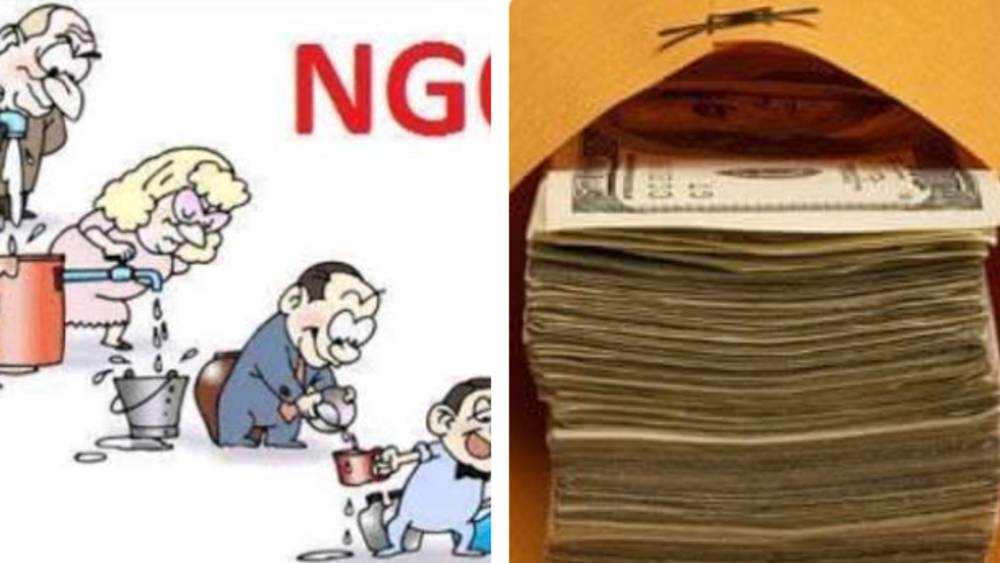
Let us be clear: NGOs are not flawless. Many civil society actors, once driven by conviction, have indeed become career professionals — bureaucrats of “social change.” That is a problem. Yet, the idea that NGOs or donors are inherently harmful is both dishonest and hypocritical. NGOs became necessary precisely because the state and political parties failed to serve the people. They filled the gaps left by decades of neglect, caste discrimination, patriarchy, and political corruption.
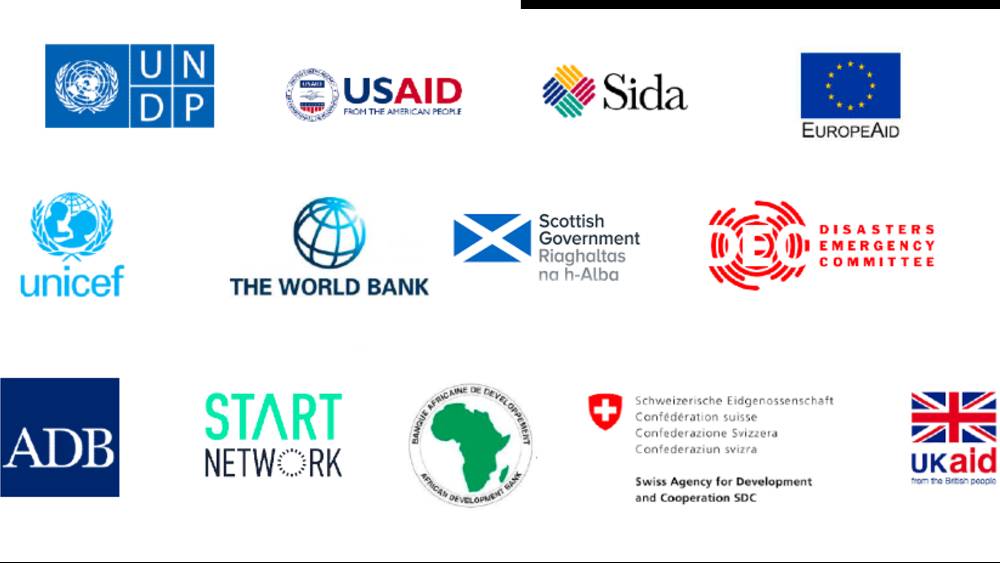
Without NGOs and donor-supported programs, Nepal would not have made significant progress in areas such as HIV prevention, maternal and child health, tuberculosis and malaria control, disability rights, Dalit inclusion, gender and sexual minority rights, environmental conservation, and disaster response. Even during earthquakes, pandemics, and floods, it was NGOs — not politicians — who reached the most marginalized communities.
Are all NGOs good? No. Are all donors free of political agendas? Certainly not. But the majority of donor funding in Nepal has gone into saving lives, promoting equality, and building institutions where the government was absent. Corruption and lack of transparency within NGOs are real — but they are symptoms of a broader disease that infects our entire political and bureaucratic system. The moral outrage selectively directed at NGOs while remaining silent about political corruption is pure hypocrisy.
And let’s talk about the Gen Z movement. To claim that it was funded or directed by foreign agencies is to insult the courage, creativity, and consciousness of Nepal’s youth. This generation organized itself through social media, grassroots solidarity, and moral clarity — not through CIA memos. The movement was spontaneous, organic, and born from deep frustration with a system that had lost its legitimacy.
Yes, like any mass movement, it wasn’t perfect. Some opportunistic and even criminal elements did try to infiltrate it — but those infiltrations appear to have come from within the domestic political arena, from competing parties and power brokers trying to hijack the momentum for their own ends. Similarly, a few Gen Z activists may personally lean toward one or another political party, but the movement as a whole was independent, people-driven, and uncoordinated by any established force. Its heartbeat was moral, not partisan.
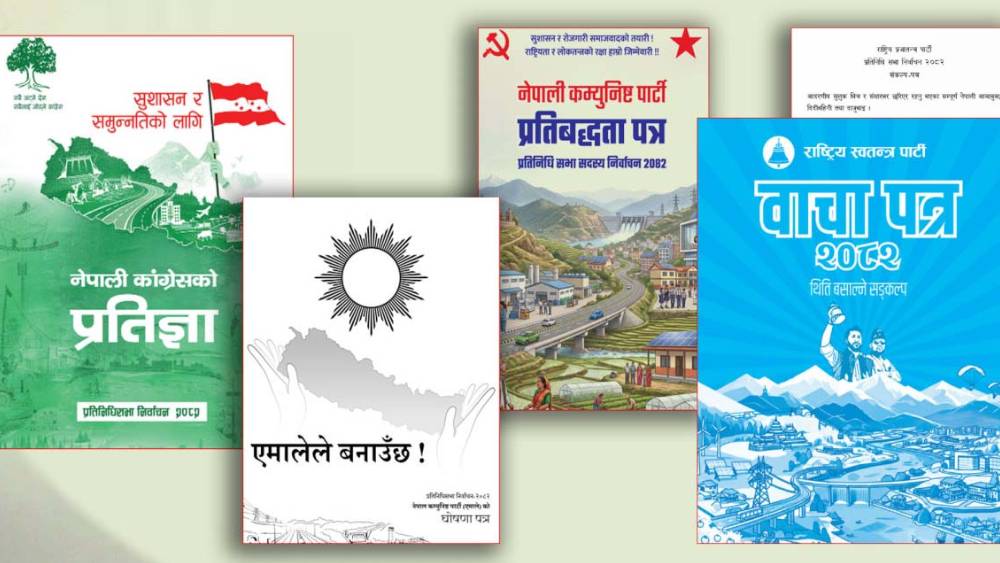
And before anyone lectures about “foreign interference,” let’s remember a simple fact: even Nepal’s so-called democratic elections — where every party, including those shouting the loudest today, got their seats — have been supported by foreign funding. The government signs agreements for this support; the Election Commission itself receives grants, logistical assistance, and technical help from international partners. If accepting donor support for elections is not “foreign interference,” then why is donor support for social justice, anti-corruption, or youth empowerment suddenly a crime?
If a small foreign grant of $350,000 could topple the deeply entrenched Oli–Deuba coalition government, then what does that say about the strength of our institutions? Where were the so-called national security agencies, the parties, the bureaucracy, and the media all this time? The truth is, it is convenient for the old guard to find a foreign scapegoat. It saves them from facing their own failures — the failure to build trust, deliver justice, and root out systemic corruption. It’s easier to point fingers at marginalized groups — gender minorities, people with disabilities, Dalits, and climate activists — than to confront the real rot within.
Let’s not forget who has truly been robbing this country: politicians, bureaucrats, corporate cartels, and party-linked contractors who have looted foreign loans, misused public funds, and mortgaged Nepal’s future. If the nationalists and party darlings are so allergic to foreign aid, then let them first build an inclusive, corruption-free state that ensures dignity for every citizen regardless of caste, gender, geography, or identity. Until then, blaming NGOs and donors is not patriotism — it’s cowardice.
The Gen Z movement is not a foreign conspiracy. It is the long-overdue awakening of a generation tired of inherited corruption and hypocrisy. These young people are not the puppets of donors — they are the conscience of a nation on the brink. And if some donors are supporting transparency, civic accountability, and anti-corruption initiatives, that is not foreign interference; that is solidarity with a generation that refuses to give up on Nepal.
So stop discrediting the movement that gave the country hope again. The Gen Z revolution is not for sale. It is ours. It belongs to the Nepali people — and to the promise of a cleaner, fairer, and freer future.
Copyright © All right reserved to pahichan.com Site By: Sobij.
