There is no shortage of dictators in the world. From absolute monarchies to military strongmen, from one-party states to hereditary rulers, authoritarianism is not a rare disease—it is a global condition. Yet the global outrage machine does not activate equally. Sanctions are not imposed uniformly. Regime-change rhetoric is not distributed fairly. Bombs do not fall on every dictator.
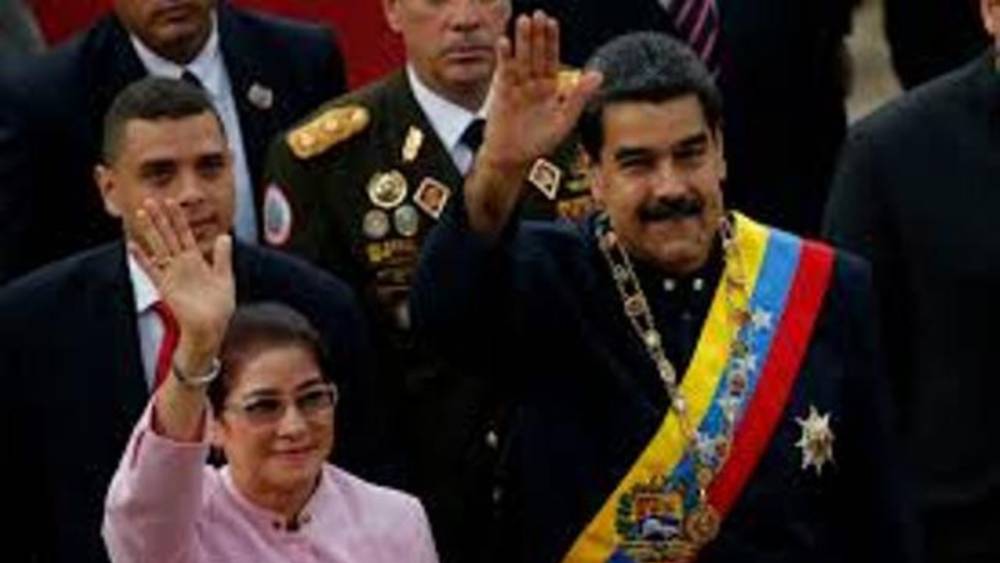
So the question must be asked honestly: if the problem is dictatorship, why is it always the same countries that become international villains? Why Maduro and not others? Why Venezuela and not everywhere else?
The answer is uncomfortable, but clear: this has never been just about democracy or human rights. It is about oil, dollars, and defiance.
Libya under Gaddafi was suddenly declared intolerable when he began challenging the dollar system in Africa and asserting sovereign control over oil. Saddam Hussein became the ultimate enemy when Iraq talked about selling oil outside the dollar system. Venezuela under Maduro inherited the same sin: possessing the world’s largest proven oil reserves while refusing to submit fully to U.S.-led economic and geopolitical control.
If dictatorship were the real red line, half the world would be sanctioned. If repression alone justified intervention, Western allies with appalling human-rights records would not be embraced, armed, and financed. The selective morality exposes the lie.
Maduro is not targeted because he is uniquely authoritarian. He is targeted because Venezuela sits on oil that does not flow obediently, and because its government—however flawed—represents a refusal to kneel. The punishment is not aimed only at Maduro; it is aimed at the Venezuelan people through economic strangulation, sanctions, and isolation designed to make daily life unbearable. Suffering becomes a political weapon.
This is not new. The pattern is old and predictable. First comes demonization. Then sanctions “for the people.” Then economic collapse blamed on the regime alone. Then calls for humanitarian intervention. Finally, regime change—either through force or manufactured consent. Gaddafi. Saddam. And now, Maduro.
Meanwhile, dictators who align with Western interests are rebranded as “strategic partners.” Their prisons are overlooked. Their elections are forgiven. Their oil flows uninterrupted.
This double standard is not accidental. It is the architecture of imperial power in the post-colonial world. Democracy is invoked when convenient, ignored when inconvenient. Human rights become a language of intervention, not a principle of consistency.
None of this is to romanticize Maduro or deny Venezuela’s internal failures. Governments must be accountable to their people. But accountability cannot be imposed selectively by external powers whose primary concern is control over resources and global financial dominance.
The real question is not whether Maduro is perfect—he is not. The real question is why imperial outrage has a map, and why that map always overlaps with oil fields, strategic minerals, and threats to the dollar system.
Until the world confronts this hypocrisy, the cycle will repeat. New villains will be named. New sanctions will be justified. New countries will be punished for the crime of disobedience.
And once again, the dictators who serve power will be left untouched—while those who resist it are turned into global enemies.
Copyright © All right reserved to pahichan.com Site By: Sobij.
