
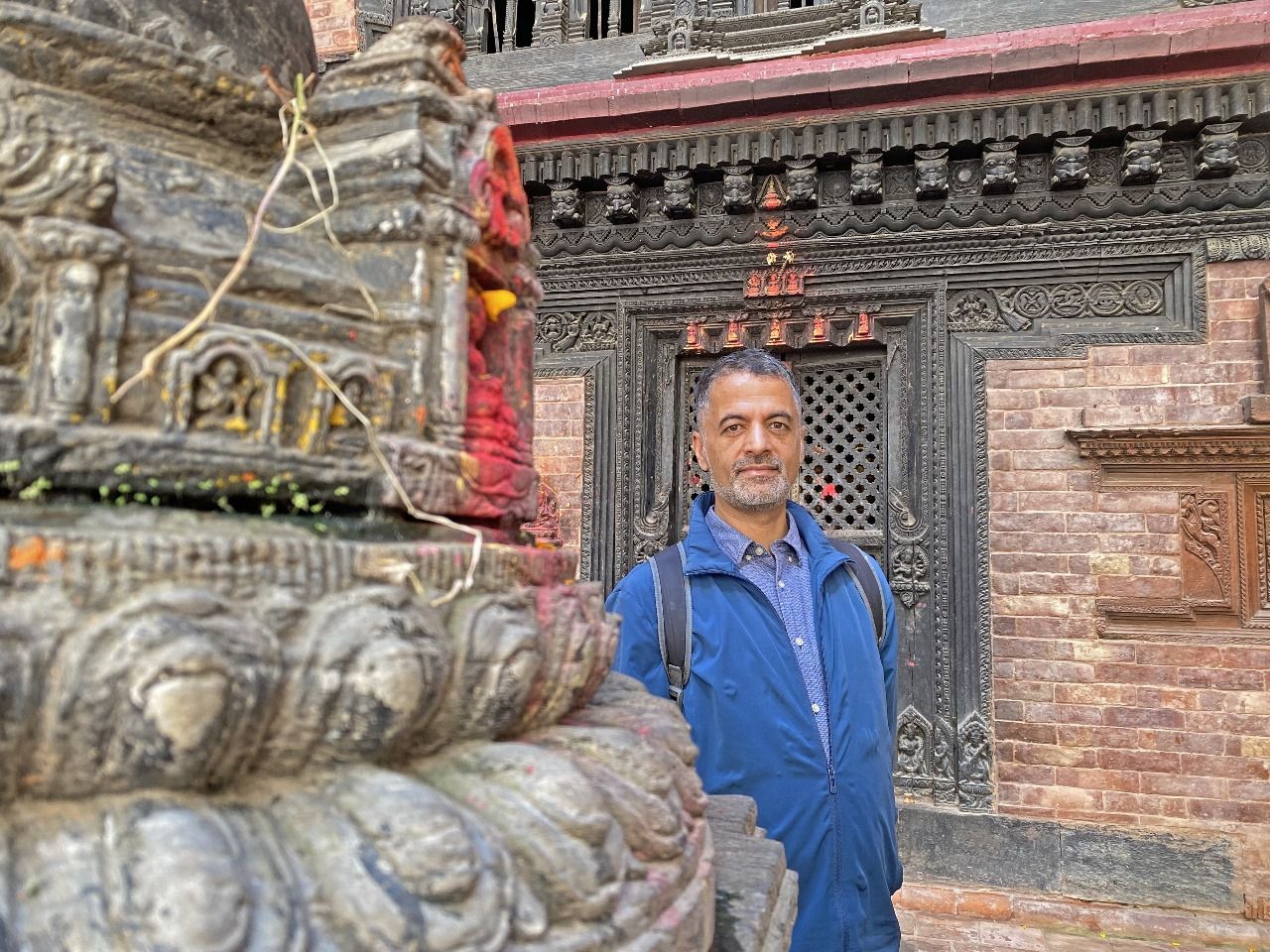
There is a silent truth that almost every openly gay man in Nepal carries in his chest like a slow-burning ache:
When you come out of the closet,
you don’t just lose secrecy—you lose people.
People you once trusted with your laughter. People whose homes you visited without knocking. People who once promised, “We’ll always be friends.”
The day you speak your truth, those promises crack.
Being gay in Nepal is not a legal crime anymore—but it remains a social sin whispered behind closed doors.
Your existence is tolerated only when it stays invisible, only when it hides in the shadow of silence.
And the cost of stepping into the light?
It is heartbreakingly high. Almost unbearably so.
1. A Message After 25 Years
A few weeks ago, I received a Facebook message from a man now in his late fifties. The kind of message that stops time.
He wrote:
“Bhai… I admired you since my early thirties. I wanted to meet you, confess to you, propose to you— but I never had the courage. Now I have a wife, children, grandchildren… Still, I wish I could see you once. But I’m afraid. If people see us together, they will suspect me.”
Twenty-five years.
A whole lifetime spent wrestling with fear, loneliness, longing— all alone.
I wrote back gently:
“I meet hundreds of people—politicians, business leaders, teachers, students, activists. No one cares if they’re seen with me. And, It’s just a cup of tea.”
He didn’t reply for a long time….
Sometimes silence tells the whole story.
His silence was a graveyard of all the lives he never lived.
2. Why Do Openly Gay Men Lose Old Friends?
People often ask, almost innocently,
“Why should sexuality affect friendship?”
If you’ve ever lived openly gay in a conservative society, you already know the answer.
A. Because your old friends suddenly see you as a different species.
Men who once slept next to you on school trips, shared blankets in winter,
cried on your shoulder, called you mitra, dost, bhai—
The moment you come out their eyes change.
Not because you changed, but because society whispers poison into their ears:
“Be careful. He is not like us anymore.”
And fear grows where ignorance thrives.
B. Because no one wants to be caught in a rumor.
In Nepal, the real police are not uniformed. They are the uncles leaning on metal gates, the aunties peeking through curtains, the relatives who have nothing to do but watch.
A straight friend worries:
“What if my father sees me walking with him?”
“What will my neighbors say?”
“Will people think I’m gay too?”
“Will this hurt my marriage prospects?”
It is not hatred. It is cowardice disguised as caution. And cowardice has destroyed more friendships than hatred ever will.
3. Because closeted gay men run the fastest.
This is the wound that cuts the deepest.
Closeted gay men— the ones who understand our reality most intimately— are the ones most terrified of being seen with us.
To protect their “normal” image,
some even mock openly gay men publicly, as if wounding us will shield them.
The same men who once whispered late at night:
“I feel close to you. I like you.”
are the ones now proclaiming loudly:
“I’m a real man! Don’t compare me with them!”
Their fear turns into cruelty.
Their longing into denial.
Their love into shame.
Many are married to women now.
With children. With a life that looks stable on the outside but shakes on the inside.
They care deeply for their wives and kids— but they mourn a part of themselves
that they buried alive.
4. Why Is It So Hard to Make New Friends?
Once you come out, your world becomes both clearer and lonelier.
A. Straight men admire you from afar– but avoid you up close.
Many say:
“You are so brave! I fully support you!”
But ask them to sit with you in a café?
Walk beside you in a market?
Attend a public event with you?
Suddenly they look around nervously,
searching for witnesses,
measuring the risk of being seen.
Support ends
where society’s gaze begins.
5. Society mistrusts people who speak the truth.
In cultures built on silence, honesty is rebellion.
The moment you live openly gay, you become a threat to the script that society forces everyone to read.
People admire bravery in stories—but run from it in real life.
A truthful man becomes a lonely man.
6. The Tragic Fate of Men Who Never Come Out
Thousands of men in Nepal choose
the easier lie over the harder truth:
“I will marry. I will pretend. I will suffer quietly.”
What happens then?
They break inside. Slowly. Silently. Fatally.
Yes, they gain social acceptance—
a wife, children, the illusion of “normalcy.”
But inside, they are starving.
They love their families deeply—
but they walk through life
missing a part of their soul.
Closet marriages are not compromises.
They are tragedies happening in slow motion. They destroy two lives to protect one society’s fragile ego.
7. When You Live Honestly, You Lose Many—
But the Few Who Stay Are Diamonds**
Coming out may cost you:
friends, invitations, family approval, social acceptance.
But the ones who stay—
the ones who sit beside you proudly in public,
who introduce you without whispering,
who love you without conditions—
They are rare.
They are precious.
They are worth every loss.
Their love is not cheap.
Their loyalty is not fearful.
Their presence is gold.
And gold is forged under heat.
8. A Final Truth
The man who messaged me after 25 years—
still hiding,
still yearning,
still afraid—
is a reminder of the thousands like him.
Men living half-lives.
Men dying inside quiet marriages.
Men drowning in secrets.
He told me:
“Bhai… I wish I had your courage.”
And I asked him,
“How many more years will you let fear steal from you?”
Because fear does not just hold you back— it consumes you.
You may lose old friends. You may struggle to find new ones.
But losing yourself— that is the greatest tragedy of all.
In the end,
I would rather walk with one true friend
than be surrounded by a hundred shadows.
And I hope,
one day,
Nepal becomes a place where
no one has to choose
between truth and love, but have both.




Copyright © All right reserved to pahichan.com Site By: Sobij.
