
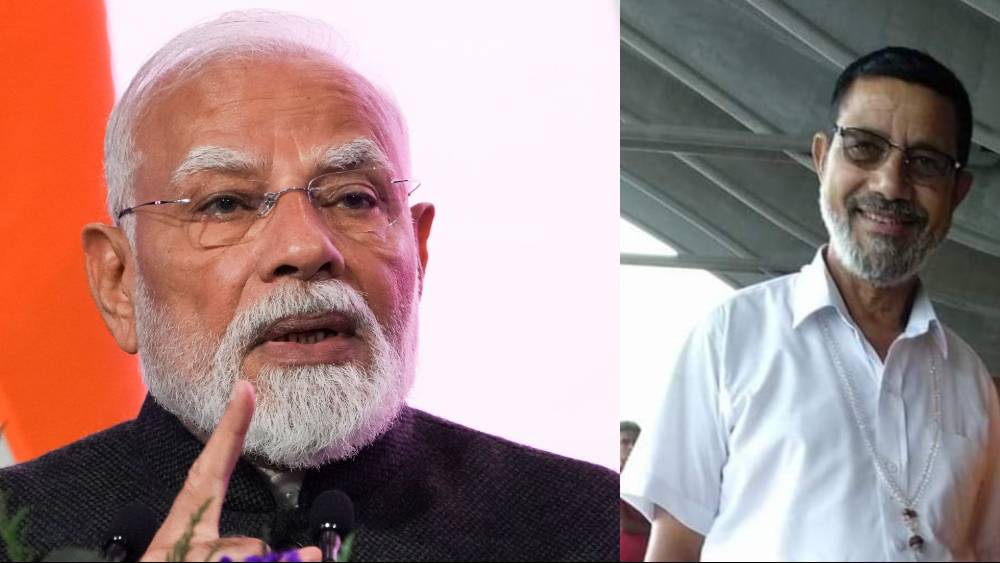
Honorable Leaders and Citizens of India,
I write this appeal after decades of displacement, hardship, and unanswered questions. My intention is not to express hostility toward any nation or government, but to request an objective examination of the facts so that justice and human dignity may be restored to displaced populations.
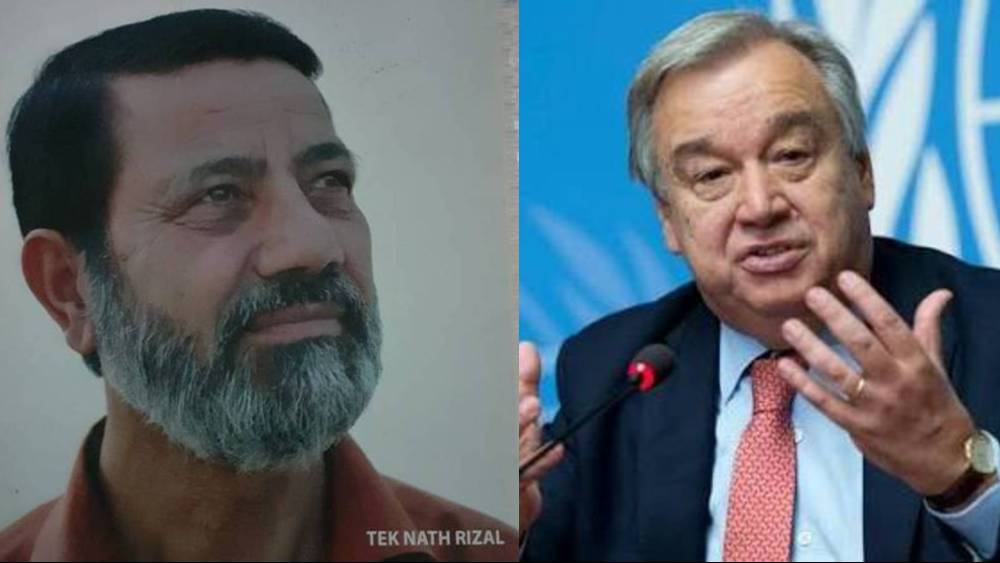
I am Tek Nath Rizal, a former member of Bhutan’s Royal Advisory Council. I have experienced prolonged detention, loss of citizenship status, and decades of uncertainty away from my homeland. Throughout this time, I have maintained faith that India; guided by its democratic traditions, constitutional values, and close regional ties; can play a constructive role in addressing the grievances of the displaced people of southern Bhutan.
I appeal to the Government and people of India to examine the unresolved claims of those who were displaced, separated from their families, and deprived of their land and properties.
1. My Personal Experience and the Search for Truth
My personal situation reflects the broader issue affecting thousands of displaced individuals. When I raised concerns regarding census policies and the treatment of residents in southern Bhutan, I lost my official position, faced severe restrictions, and was detained for approximately ten years.
My release did not restore my former position, property, or security. I have spent the subsequent years seeking clarity on how these decisions were made and why the resulting grievances remain unaddressed.
I do not ask that my statements be accepted without verification. I ask that my account be evaluated impartially alongside official records, historical documents, and witness testimonies. Where errors exist, they should be corrected based on evidence. The passage of time should not preclude a fair determination of the truth.
2. India’s Historical Relationship with Bhutan
India and Bhutan share a long history of diplomatic cooperation, economic partnership, and strategic ties. While bilateral relations are formally governed by sovereign treaties and agreements, India’s deep relationship with Bhutan gives it a unique perspective on regional developments.
Given this close relationship, it is reasonable to ask whether Indian authorities received information regarding the census policies affecting southern Bhutanese residents, whether concerns were communicated, and whether opportunities existed to help avert widespread displacement.
I respectfully request that these questions be reviewed through appropriate diplomatic channels. Strong bilateral relations can serve strategic interests while simultaneously upholding human rights and fundamental dignity.
3. Census Policies and Alleged Diplomatic Discussions
A key issue requiring impartial review is the execution of the census in southern Bhutan during the late 1980s and early 1990s. Significant questions remain regarding the policies adopted, the officials involved, and the execution of decisions that led to mass displacement.
I have previously referenced a meeting that, according to my recollection and available information, may have taken place at the Indian Embassy in Bhutan regarding census issues. This discussion reportedly involved Dago Tshering, then Minister for Home Affairs (and currently Bhutan’s Ambassador to Japan), and touched upon concerns related to the Gorkhaland movement.
I ask that relevant authorities determine whether official records of such a meeting exist, who participated, and what topics were discussed. These matters should be evaluated transparently based on documentary evidence and verified witness testimony, rather than assumed or dismissed without investigation.
4. Displacement, Loss of Property, and Record Preservation
For a displaced person, losing a homeland means the loss of family unity, livelihood, cultural heritage, and security. Many Bhutanese families have lived in uncertainty for generations.
I request that the Government of India support an impartial review into the circumstances of displacement, detention, restrictions on return, and unresolved property claims. This review should encompass former public officials, security personnel, and ordinary citizens alike.
I urge authorities to take deliberate steps to:
Record formal testimonies from elderly witnesses and former detainees.
Preserve land records, official correspondence, deeds, and photographs.
Evaluate alternative reliable evidence where official documentation is missing.
5. Reviving Diplomatic Dialogue for a Lasting Solution
For years, displaced populations hoped that bilateral negotiations between Bhutan and Nepal would yield a permanent resolution. However, talks have stalled, leaving thousands in legal limbo.
I respectfully request that India consider using its diplomatic standing to encourage the resumption of formal negotiations between the relevant governments. Any revived diplomatic process must include direct consultation with affected community representatives to ensure their perspectives are considered.
A lasting resolution must be voluntary, humane, and aligned with international standards. It must address legal status, family reunification, property claims, personal safety, and the option of safe, voluntary return.
6. Development Projects and Unresolved Property Claims
I wish to express concern regarding the development of the Gelephu Mindfulness City project on lands where displaced citizens maintain unresolved ancestral claims.
While recognizing Bhutan’s right to pursue economic development, infrastructure projects should not proceed in a manner that invalidates legitimate land claims or restricts access to legal remedies.
I respectfully request that relevant authorities:
Publish official boundaries and land-use plans for the project.
Determine if project boundaries overlap with lands subject to unresolved claims by displaced citizens.
Establish a transparent process for individuals to submit historical property deeds and evidence.
Review credible claims before making permanent decisions regarding disputed land.
Clarify the role of any Indian public or private entities participating in or funding the project.
Economic growth and human justice are compatible goals when development proceeds with transparency and respect for property rights.
7. A Constructive Diplomatic Role for India
India possesses significant diplomatic influence in South Asia. I request that the Government of India consider taking the following constructive steps:
Facilitate renewed dialogue between Bhutan and Nepal on the refugee issue.
Support an evidence-based review of historical policies that caused displacement.
Encourage the preservation and appropriate disclosure of official records.
Promote a fair administrative mechanism for evaluating land and property claims.
Advocate for family reunification and the protection of basic rights.
Ensure displaced individuals are consulted in discussions concerning their future.
Cooperate with international bodies and human rights mechanisms where applicable.
I do not ask India to infringe upon Bhutan’s sovereignty or act beyond legal boundaries. I ask India to use its diplomatic goodwill to encourage transparency, dialogue, and a fair outcome.
8. Appeal to Indian Institutions and Civil Society
I understand that Indian courts and constitutional bodies operate within specific jurisdictional limits, and that grievances originating in Bhutan may fall outside their direct purview. I therefore request that competent Indian authorities advise on the lawful procedures or diplomatic avenues available to review these matters.
I also appeal to Indian scholars, legal experts, journalists, and civil society organizations to examine the evidence objectively. I ask neither for uncritical acceptance of my statements nor for immediate dismissal, but for a fair examination of the record so that the affected people may be heard.
9. Specific Requests
I respectfully request the Government of India and its competent authorities to:
Acknowledge Receipt: Confirm receipt of this appeal and indicate the appropriate channels through which these matters may be considered.
Support Fact-Finding: Facilitate an impartial review of the historical circumstances surrounding census execution, detentions, and mass displacement.
Verify Archives: Determine whether official records exist regarding diplomatic discussions on census policies at the Indian Embassy in Bhutan, and preserve or disclose them as appropriate.
Encourage Negotiations: Support renewed diplomatic talks to resolve the legal status of displaced Bhutanese populations.
Protect Property Claims: Encourage a transparent audit of land claims affected by development initiatives, including the Gelephu Mindfulness City project.
Establish Safeguards: Recommend temporary administrative holds on disputed land decisions pending proper claim evaluations.
Address Humanitarian Concerns: Support measures aimed at family reunification, legal documentation, and voluntary return options.
Provide Guidance: Direct these requests to suitable international or regional forums if they exceed direct domestic jurisdiction.
10. Conclusion
I have spent decades seeking resolution to issues that affect thousands of lives. Over time, records become harder to retrieve and witness memories fade, yet the fundamental need for truth remains unchanged.
India’s commitment to democratic values makes it a natural partner for peace and justice in the region. I ask India not to remain passive while displaced individuals live in continued uncertainty.
I do not demand that my perspective be accepted as absolute truth; I ask for an objective, evidence-based investigation. If my recollections contain inaccuracies, let them be corrected by facts. If claims are verified, let appropriate steps be taken to address past injustices.
If INDIA decide not to attend the inauguration ceremony,on 1.11,2026.INDIA,s absence would not be merely a formal But It could become a historic message of solidarity with people who have been denied justice.
Thank you for your consideration of this appeal.
Respectfully,
Tek Nath Rizal
Former Member, Royal Advisory Council of Bhutan
Displaced Person Residing in Nepal
Dated 2026 /10 /30

Copyright © All right reserved to pahichan.com Site By: Sobij.
