
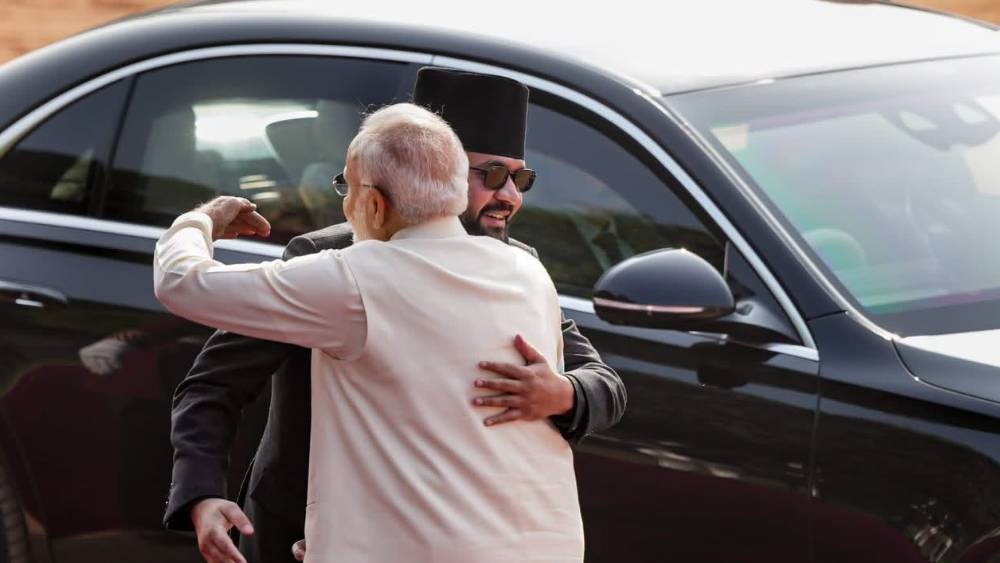
I must admit, I am pleasantly surprised by the way India has received and treated Nepal’s Prime Minister Balen. More importantly, this visit appears to have produced several significant agreements and understandings that could have long-term implications for Nepal’s development.
The outcomes are quite encouraging: progress on the bidirectional Bhairahawa air route, railway connectivity, including the Raxaul–Kathmandu railway survey, access to additional Indian seaports, the prospect of an IIT campus in Nepal, cooperation in science and technology, agriculture, health and education, and several other areas.
These are welcome developments and reflect a positive and constructive gesture from the Indian side.
There is, however, a bitter truth that perhaps even Prime Minister Balen, along with many Nepali nationalists — including those who dream of restoring a so-called “Greater Nepal” — must have raised (or even realised) during this visit.
Nepal wants equal status, mutual respect and dignified treatment from India. That is absolutely legitimate. We do not want to be treated as a junior partner, nor do we want our sovereignty compromised.
But at the same time, we also expect substantial assistance, grants, concessional loans, investments, market access, infrastructure support and other economic benefits from India.
The difficult reality is that we cannot always expect both sides of this relationship to operate on entirely separate terms. Demanding equal treatment while expecting exceptional concessions is a difficult diplomatic balance to maintain.
India is a much larger neighbour with its own national interests, economic priorities and domestic political considerations. It is neither realistic nor sensible to expect India to disregard these interests when dealing with Nepal.
Nepal, too, must learn to negotiate pragmatically, with a clear understanding of its national interests, economic realities and strategic limitations. National dignity and sovereignty are non-negotiable, but diplomacy must also be grounded in realism, reciprocity and mutual benefit.
In this context, I think India treated our Prime Minister exceptionally well. The visit was a good diplomatic gesture, and its outcomes deserve appreciation.
A mature Nepal–India relationship should be built on mutual respect, equal dignity, practical cooperation and recognition of each other’s legitimate interests — not merely on nationalist rhetoric, historical grievances or expectations of one-sided concessions.
We can and should stand firm on Nepal’s sovereignty while also recognising the value of a constructive relationship with our closest and most influential neighbour.



Copyright © All right reserved to pahichan.com Site By: Sobij.
