A recent article by “PinkNews discussing “abrosexuality”” (https://reference-url-citation.invalid/0) introduces yet another term into the rapidly expanding vocabulary of sexuality and gender identities. Abrosexuality, described as a sexual orientation that changes or fluctuates over time, joins a growing list that already includes lesbian, gay, bisexual, pansexual, asexual, demisexual, graysexual, omnisexual, agender, gender-fluid, and many others.
There is nothing inherently wrong with people choosing words that help describe their personal experiences. Human diversity is real, and language evolves. Every individual should have the freedom to understand and express themselves in ways that feel authentic and meaningful.
However, from the perspective of many societies in Asia, Africa, Latin America, and Indigenous cultures around the world, an important question remains largely unasked: Who is driving the global discourse on gender and sexuality, whose framework and at what pace?
For more than a century, modern sexuality discourse has been shaped predominantly by Western academic institutions, psychologists, activists, media outlets, and NGOs. New concepts often emerge in English-speaking societies, gain visibility through universities, social media, and advocacy networks, and are subsequently promoted internationally. Before long, activists, development agencies, and policymakers in countries like Nepal are expected to understand, translate, categorize, and incorporate these concepts into laws, policies, educational materials, donor frameworks, and human rights programs.
The challenge is not diversity itself. The challenge is the cultural framework, speed and scale at which terminology proliferates.
Many policymakers, educators, journalists, and ordinary citizens in Nepal are still struggling to understand the distinctions between sexual orientation, gender identity, gender expression, and sex characteristics. Terms such as gay, lesbain, bisexual, transgender, non-binary, and intersex remain poorly understood by large segments of society. Yet before meaningful public understanding can emerge, newer categories continue to appear.
The result is often confusion rather than inclusion.
This confusion becomes particularly problematic when increasingly broad umbrella categories are used even by the UN agencies and donors for policy and advocacy purposes.
One of the least discussed issues within contemporary gender and sexuality discourse is that not all identities face the same forms, levels, or consequences of discrimination.
A third-gender person in Nepal may face exclusion from family, education, employment, housing, healthcare, and citizenship documentation. An intersex child may face non-consensual medical interventions, stigma, and lifelong challenges relating to bodily autonomy and legal recognition. Gay men and lesbians may experience violence, blackmail, forced marriage, family rejection, workplace discrimination, and social ostracization.
These are serious and well-documented human rights concerns.
By contrast, some identities within the ever-expanding LGBTQIAAGAP+ umbrella may not necessarily face the same degree of structural discrimination. Individuals who identify as abrosexual, graysexual, pansexual, agender, or gender-fluid may certainly encounter misunderstanding or prejudice, and their experiences deserve respect. However, their challenges are not always comparable to those faced by visibly binary-nonconforming third-gender individuals, intersex people subjected to medical discrimination, or gay and lesbian individuals confronting violence and exclusion.
Recognizing these differences is not about creating a hierarchy of human worth. Every person deserves equal dignity and equal human rights.
However, effective public policy requires precision.
When all identities are grouped together under increasingly long umbrella acronyms, important distinctions can become blurred. The specific legal challenges faced by third genders become submerged within broader discussions of gender diversity like gender fluuedity, and an agendersim. The unique bodily autonomy concerns of intersex people are overshadowed by debates about identity labels. The urgent realities of violence against lesbians and gay men compete for attention with increasingly specialized categories of self-identification.
As a result, the communities facing the most severe forms of exclusion can become less visible within the very movements intended to support them.
There is another challenge that receives little attention in international discussions: the unequal competition between locally rooted identities and globally promoted identity frameworks.
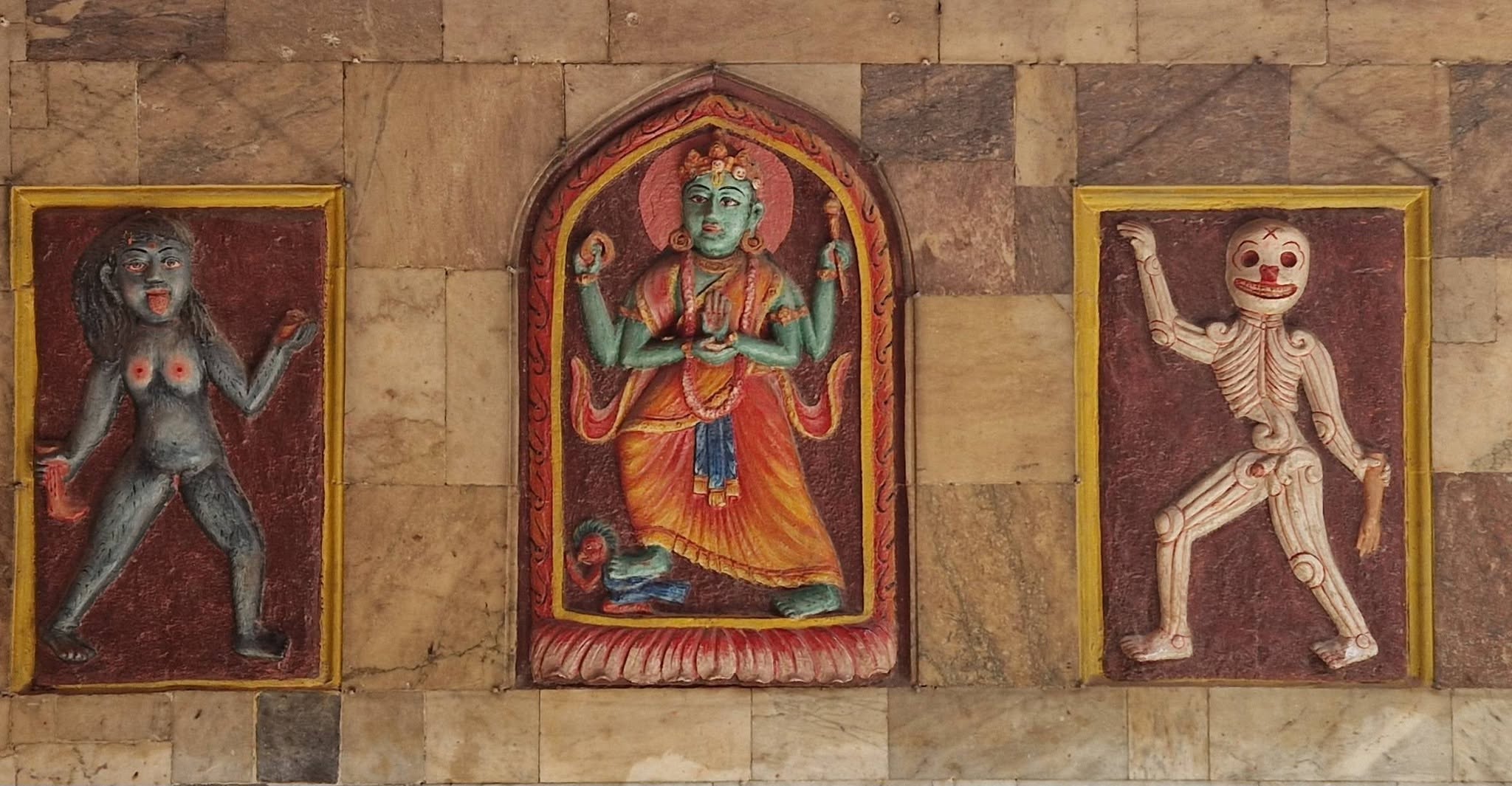
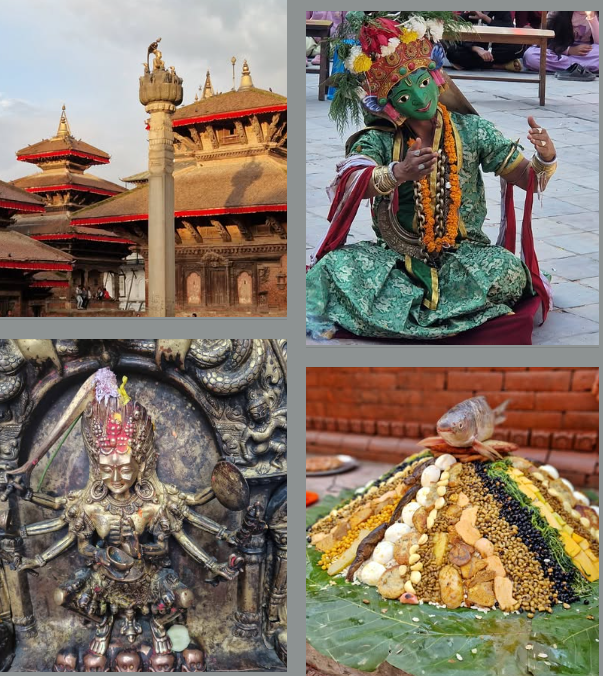
Across Nepal and many parts of Asia, gender-diverse and sexually diverse communities have long existed under local names, cultural roles, and social understandings. Third genders, Metis, Maruni performers, Singaru, and other culturally specific identities emerged from local histories, languages, and social realities. Similar traditions exist throughout South Asia and among Indigenous societies around the world.
Yet these locally rooted identities often find themselves competing with an expanding set of English-language umbrella categories that are supported by powerful international institutions, academic research centers, media platforms, donor agencies, advocacy organizations, and global human rights networks.
The imbalance is significant.
A locally recognized identity may have centuries of cultural history behind it but little documentation, funding, or international visibility. By contrast, newer categories emerging from Western academic and activist discourse can rapidly acquire definitions, research papers, training manuals, advocacy campaigns, donor support, and inclusion within international policy frameworks.
As a result, local identities risk becoming invisible within the very movements that claim to promote diversity.
Young people increasingly encounter imported terminology through social media, international NGOs, and development programs before they ever learn about the gender-diverse traditions that have existed within their own societies. Activists and organizations often adopt global acronyms because these are the languages recognized by donors, international institutions, and human rights mechanisms. Over time, local concepts may be marginalized, translated into foreign categories, or abandoned altogether.
This creates a paradox. Movements that seek to celebrate diversity can unintentionally contribute to cultural homogenization.
Instead of allowing multiple cultural understandings of gender and sexuality to coexist, the global conversation increasingly privileges concepts that originate in English-speaking contexts. Local identities are expected to fit within imported frameworks rather than being understood on their own terms.
For policymakers, judges, parliamentarians, civil servants, teachers, and journalists, this creates a practical problem.
Many are still trying to understand basic questions: How should citizenship documents recognize third genders? How can schools prevent bullying? How can governments address violence against lesbians and gay men? How can healthcare systems protect intersex children? How should anti-discrimination laws be implemented?
These are concrete policy challenges requiring concrete solutions.
When policymakers are instead presented with an ever-growing list of identities and acronyms, many become confused about what problems they are actually being asked to solve. Some begin to perceive the discourse as detached from social realities. Others become suspicious that gender and sexuality rights are driven by foreign ideological trends rather than local experiences and needs.
Whether such suspicions are fair or not, they become easier to sustain when activists themselves struggle to explain an ever-expanding alphabet of identities to the general public.
Ironically, the more advocacy depends upon constantly evolving Western terminology, the harder it becomes to counter the claim that gender and sexuality rights are a Western import. This creates an unnecessary political vulnerability for movements that are, in reality, rooted in universal principles of dignity, equality, freedom, and protection from discrimination.
In Nepal, long before modern Western identity categories emerged, societies already recognized diverse gender expressions and social roles. The traditions of third genders, Vipurushik, Svairini, Metis, Maruni performers, Singaru, and various Indigenous gender systems demonstrate that gender diversity is not new to this region. Likewise, Tantric, Buddhist, Kirat, and other cultural traditions contain understandings of human diversity that do not fit neatly into contemporary Western classifications.
What is new is the increasingly complex vocabulary being imported from contemporary Western discourse.
Human rights advocacy in the Global South must therefore distinguish between two legitimate but different goals.
The first is respecting every individual’s right to self-identify in whatever way they choose.
The second is developing public policies that address measurable discrimination, violence, exclusion, and inequality.
Not every personal identity label needs to become a policy category. Not every emerging term requires immediate incorporation into laws, government forms, donor frameworks, educational curricula, or development programs.
Public policy is most effective when it focuses on tangible harms and practical solutions. Policymakers need clarity about who is being excluded, how they are being harmed, and what interventions are required. The strongest answers come from the lived realities of third genders denied legal recognition, intersex people denied bodily autonomy, lesbians and gay men facing violence, and transgender individuals excluded from employment and public services.
These realities are visible, measurable, and actionable.
A genuinely inclusive human rights movement should make space not only for new identities emerging from contemporary Western discourse, but also for older identities and traditions that have survived for generations outside of it. Diversity should not become synonymous with a single global vocabulary. It should recognize the plurality of human cultures, histories, and social experiences.
The future of inclusion depends not on how many new terms can be created, but on how effectively societies can guarantee dignity, safety, equality, and justice for those who continue to face discrimination.
People should be free to name their experiences however they wish.
But if the language of liberation becomes increasingly fragmented, technical, donor-driven, and disconnected from local cultural realities, it risks losing its ability to persuade the societies and policymakers whose support is necessary for meaningful change.
For countries still struggling to secure basic rights and recognition for third genders, intersex people, lesbians, and gay men, clarity may ultimately be a more effective path to equality than complexity.
Copyright © All right reserved to pahichan.com Site By: Sobij.
