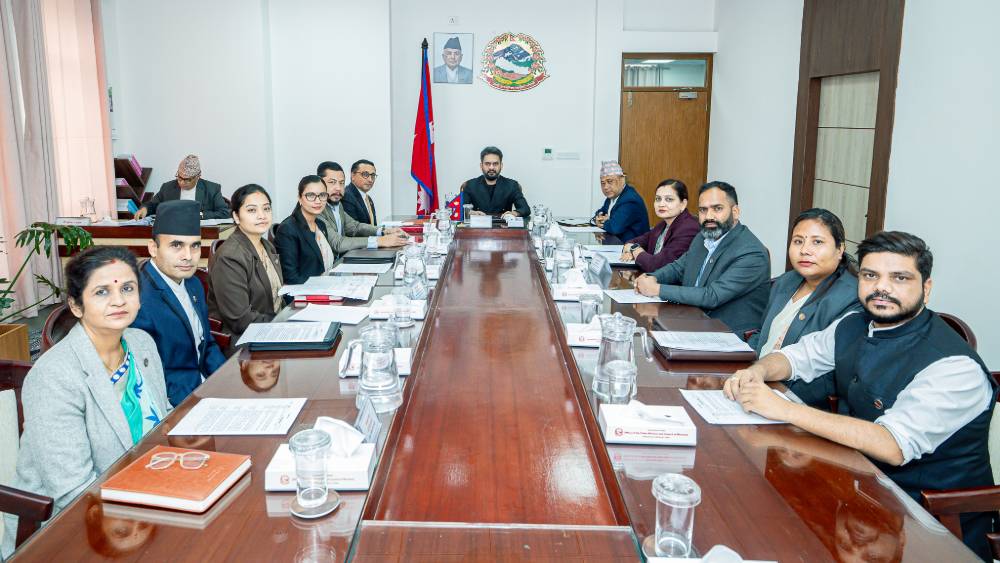
The decision to establish a dedicated “महिला, बालबालिका, लैङ्गिक तथा यौनिक अल्पसंख्यक र सामाजिक सुरक्षा मन्त्रालय” is not just an administrative change. It is a historic political acknowledgment. For the first time in Nepal’s history, gender and sexual minorities (GSM/LGBTIQ+) are being explicitly recognized in the very name of a government ministry. That matters deeply — symbolically, politically, and institutionally.
For decades, Nepal’s GSM community existed in a strange contradiction. On paper, Nepal was praised internationally for progressive court decisions and constitutional promises. Yet in practice, GSM citizens remained largely invisible inside state structures. Ministries, policies, civil service systems, budgets, welfare programs, and development frameworks rarely even mentioned them directly. Recognition was often symbolic and temporary, depending on individual allies rather than institutional commitment.
This new ministry name changes that landscape.
Words matter in governance. The language used by the state defines who belongs within the nation’s imagination and who remains outside it. When a government formally names “लैङ्गिक तथा यौनिक अल्पसंख्यक” alongside women, children, and social security, it sends a clear message: GSM citizens are not outsiders or afterthoughts. They are part of the national social fabric and deserve direct state responsibility and protection.
This did not happen accidentally.
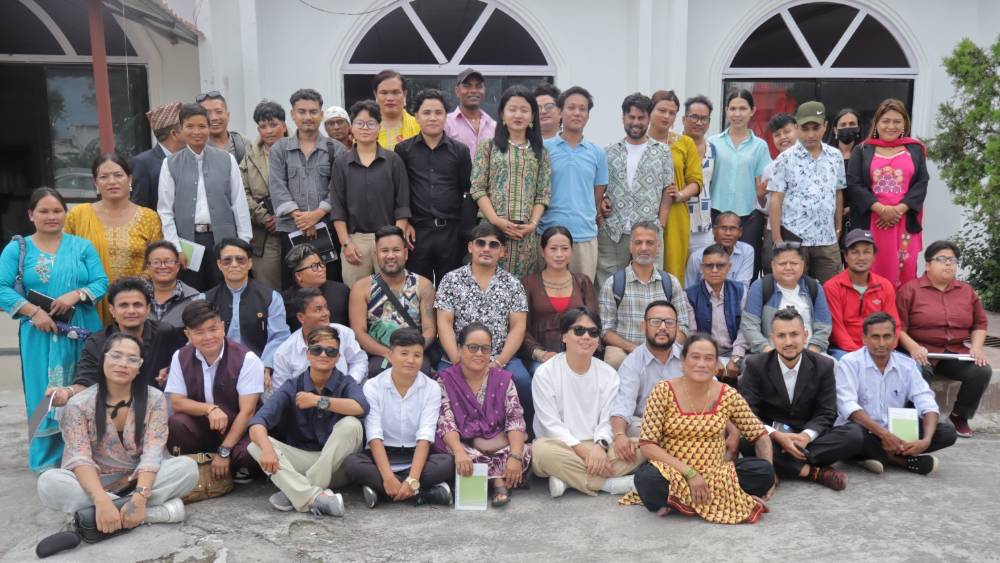
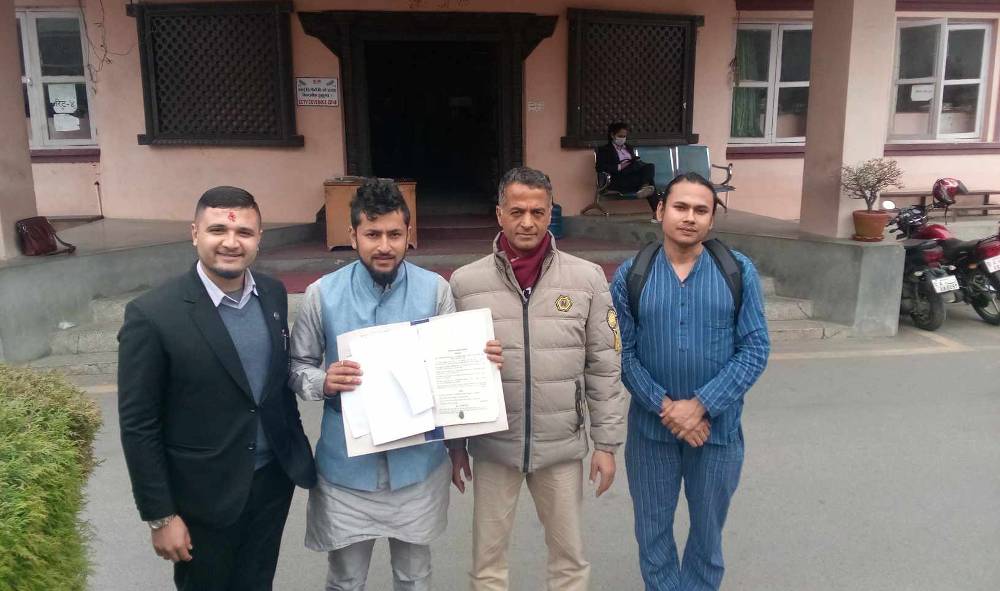
Organizations such as MayaKo Pahichan Nepal have continuously engaged in advocacy, consultations, and meetings with the new Balen administration to ensure that GSM communities are included in governance structures and policy language. Community leaders and activists have long argued that inclusion cannot remain limited to court verdicts or international conferences; it must be embedded within state institutions themselves.
About two weeks ago, the Prime Minister’s Secretary, Mr. Pariyar, reached out to me for consultation regarding accurate wording and terminology. The recommendation I gave was “Gender and Sexual Minority” — a phrase that is both politically inclusive and contextually appropriate for Nepal. Today, that terminology has officially entered the name of a ministry. That is a meaningful milestone in the long struggle for visibility and dignity.
This achievement should also be understood in the broader political context. Around the world, many governments still refuse to recognize GSM communities at all. Even in countries that claim liberal democratic values, recognition is often contested or reversed during political shifts. Nepal, despite its many contradictions and institutional weaknesses, has once again demonstrated the possibility of progressive state recognition emerging from grassroots activism and sustained civic engagement.
The Balen government deserves credit for taking this step.
At a time when political discourse is often dominated by conflict, polarization, and distrust, this move represents a constructive and hopeful direction. It shows that inclusion is possible when governments listen to historically marginalized communities rather than treating them as invisible populations.
However, naming alone is not enough.
The true test now lies in whether this recognition translates into structural transformation. Nepal still has numerous discriminatory laws and policies affecting GSM citizens — from marriage inequality and citizenship complications to barriers in family rights, inheritance, adoption, employment, and social protection. Legal reform must follow symbolic recognition.
Equally important is state inclusion. Nepal’s civil service remains overwhelmingly exclusionary toward GSM people. Despite years of constitutional promises about inclusion and proportional representation, GSM communities still have almost zero meaningful representation inside government structures. A truly inclusive state cannot exist when entire communities remain absent from decision-making positions.
The new ministry therefore creates both hope and responsibility.
Hope — because the state has finally acknowledged GSM citizens directly.
Responsibility — because acknowledgment must now lead to policy reform, institutional inclusion, legal equality, and social protection.
This ministry should become more than a symbolic title. It should become the institutional driver for ending discrimination, reforming laws, creating inclusive employment opportunities, supporting vulnerable GSM youth and elders, and ensuring access to healthcare, housing, education, and social security.
Nepal’s GSM movement has spent decades fighting simply to be seen. Today, for the first time, that visibility has entered the formal structure of government itself.
That is indeed historic.
And perhaps, just perhaps, it marks the beginning of a more genuinely inclusive Nepali state.

Copyright © All right reserved to pahichan.com Site By: Sobij.
